Intro to Accessibility Cognitive Accommodations
Learning objective: By the end of this lesson students will be able to accommodate individuals with cognitive disabilities, focusing on clear language, simplified UI, and consistent design patterns.
What are cognitive disabilities?
Individuals with cognitive disabilities may include those with learning disabilities, intellectual disabilities, and autism spectrum disorder. These individuals may face challenges related to memory, attention, problem-solving, and communication.
Accommodating cognitive disabilities
We can accommodate individuals with cognitive disabilities through accessibility using these techniques:
- When writing instructions and descriptions, prioritize clear and concise language, and avoid technical jargon.
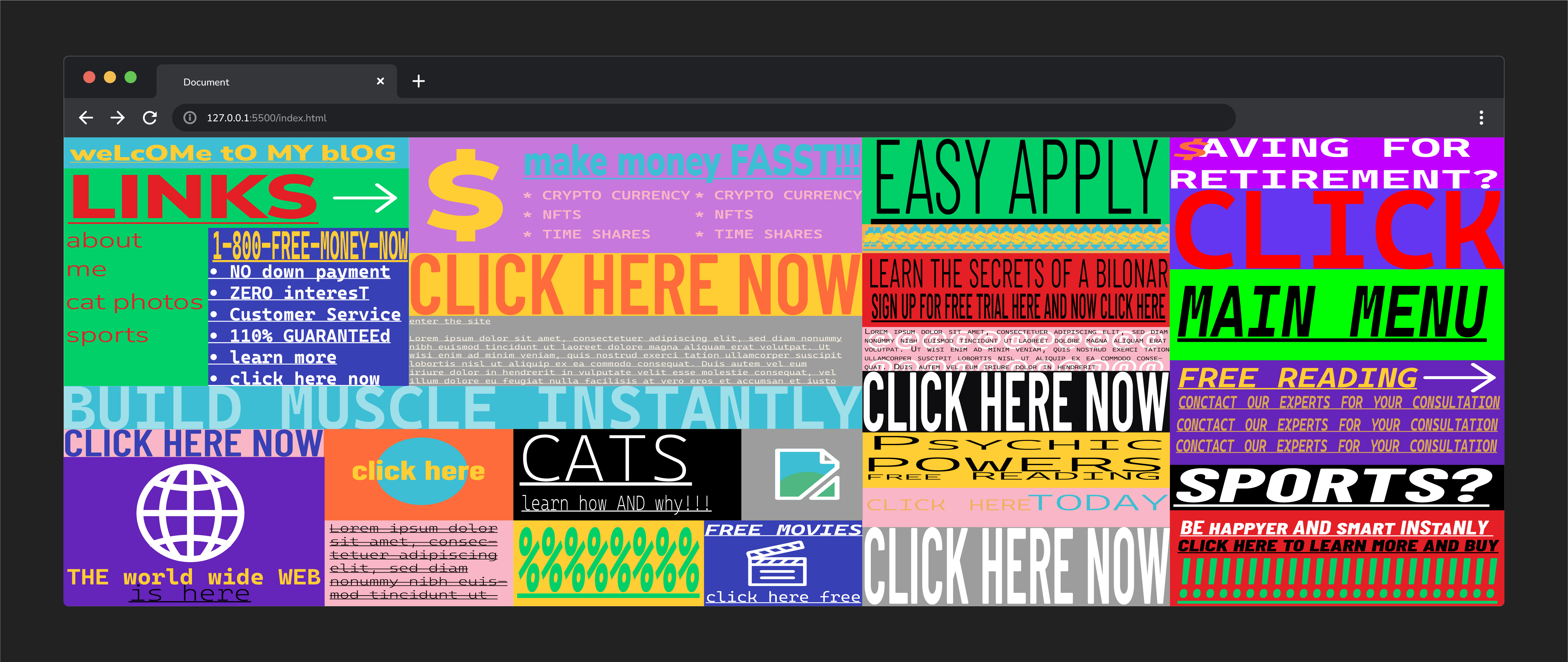
- Simplify the user interface (UI) to prevent it from becoming too busy, overwhelming, or confusing. Avoid the use of unexpected or confusing elements.
- Offer multiple ways for users to interact with our content, including text, audio, images, and video. This approach provides users with greater flexibility, allowing them to choose the path that best suits their needs.
- Ensure that users receive clear and concise feedback when interacting with our interface. This feedback can take visual or auditory forms and helps users confirm that their actions have the desired effect.
- Maintain a consistent layout and design across our website to help users locate information and understand how our website operates. It’s also beneficial to follow established patterns commonly used on other websites on the internet.
Who benefits?
By applying the techniques mentioned above, you’ll notice that these guidelines benefit a wide range of individuals. Here are some other groups impacted positively by our efforts to accommodate cognitive disabilities:
- Individuals with low digital literacy: A simplified user interface and the use of clear, everyday language contribute to better understanding.
- The broader population: Reducing cognitive load benefits everyone, especially those who may be tired or experiencing stress.
🎓 You Do
Scenario: Imagine you are part of a design team tasked with creating a new mobile app for a weather service. The app provides weather forecasts, severe weather alerts, and storm tracking features.
Task: List two ways to accommodate individuals with cognitive disabilities while designing the user interface and content for the weather app.